Tesla is best known for electric cars, and SpaceX is best known for rockets.
Big Tech & AI · EP20
AI Trend: Inside Tesla and SpaceX's Terafab
An in-depth monologue on custom chips, orbital computing, and the risks behind an enormous manufacturing bet
Ready. Select a line to jump into the conversation.
But their newest joint project is about something much smaller: computer chips.
The project is called Terafab, and its ambition is anything but small.
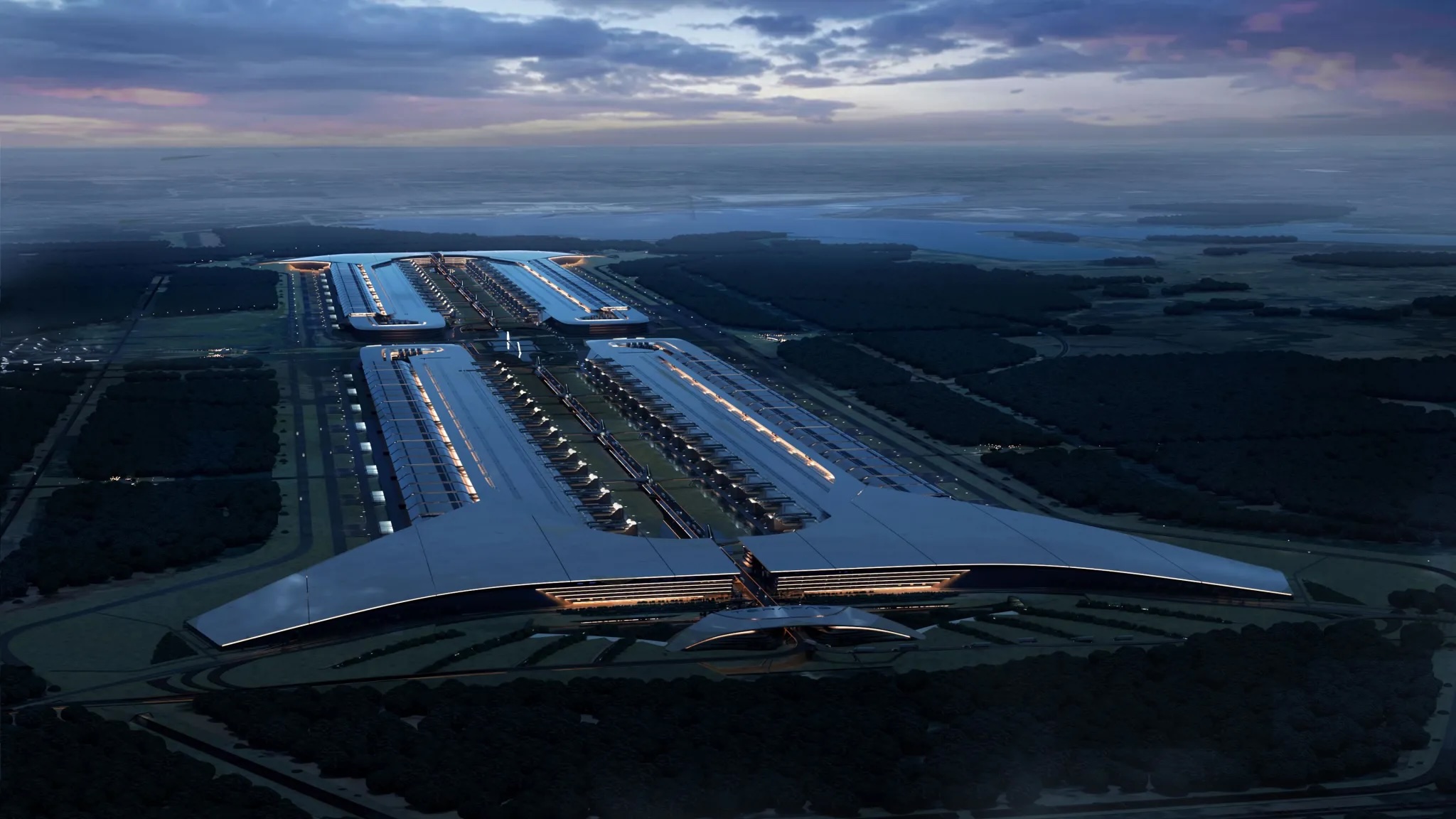
Tesla and SpaceX want to build a semiconductor complex that could eventually produce one terawatt of computing hardware per year.
It is a long-term target, not current production.
To understand the plan, begin with the problem they say they face.
Tesla needs enormous numbers of efficient chips for self-driving vehicles, Cybercabs, and Optimus humanoid robots.
SpaceX and xAI need a different class of chip for training AI models and running high-power computing infrastructure.
Some of that infrastructure may eventually operate in orbit.
Advanced semiconductor capacity is limited, expensive, and concentrated in a small number of companies and regions.
When AI demand rises quickly, access to chips can become a strategic bottleneck.
Terafab is an attempt to bring more of that physical stack under direct control.
One would focus on a chip optimized for terrestrial edge inference.
The other would focus on high-performance chips designed for SpaceX and xAI's computing systems, including possible orbital data centers.
It also needs fast memory and advanced packaging that lets many components exchange data efficiently.
Intel joined the initiative in April 2026, and the proposed fab is expected to use Intel's 14A manufacturing process.
That gives the project an experienced semiconductor partner, but it does not remove the execution risk.
Building a leading-edge chip factory is one of the hardest manufacturing projects in the world.
It requires specialized equipment, ultra-pure water, reliable power, complex materials, and thousands of highly trained workers.
The factory must achieve high yield, meaning a large share of the chips on each wafer must work correctly.
A May filing described a proposed initial investment of fifty-five billion dollars in Grimes County, Texas, with later phases potentially taking the total much higher.
A more recent announcement described a sixteen-point-eight-billion-dollar first phase and a campus that could ultimately contain more than one hundred million square feet of manufacturing space.
SpaceX's own regulatory disclosures add another important warning.
Tesla and Intel are not obligated to remain in the project, and specific Terafab projects still require separate agreements and approvals.
In other words, there is a framework and a large vision, but many details remain unsettled.
So why consider a project this difficult?
The answer is vertical integration.
Tesla already designs important parts of its vehicles, software, batteries, and AI computers.
SpaceX designs rockets, engines, satellites, ground systems, and much of its own software.
Terafab extends that philosophy down into the silicon layer.
If it works, custom chips could be tuned for a narrow set of products rather than sold to the entire market.
Tesla could optimize for energy-efficient inference inside a moving vehicle or robot.
SpaceX could optimize for computing performance, radiation tolerance, power delivery, and communication in orbit.
The companies also hope that owning more of the stack could reduce future shortages and lower hardware costs.
Semiconductor factories must run at high utilization, maintain strong yields, and keep pace with rapid technical change.
The space part of the plan creates an even bigger engineering puzzle.
Space offers abundant solar energy and avoids some land and grid constraints faced by terrestrial data centers.
Large solar arrays add mass, and mass must be manufactured, launched, and controlled in orbit.
Heat is another major challenge.
On Earth, data centers can use air and water to move heat away from processors.
In the vacuum of space, heat must leave mainly through large radiators.
Radiation can also damage electronics, while failed hardware is far harder to repair than equipment in a building.
Then there is the question of moving data.
Orbital computing makes the most immediate sense when data is already created in space, such as satellite imagery or communications traffic.
Processing that information before sending it to Earth can reduce delay and bandwidth use.
General-purpose AI computing for customers on Earth is a tougher economic case because large amounts of data may need to travel up and down.
Research on orbital data centers suggests that launch cost, spacecraft lifetime, utilization, and communication demand must all improve for the economics to work at scale.
It is a bet on a chain of technologies succeeding together.
Tesla must create sustained demand from autonomous vehicles and robots.
SpaceX must make Starship launches frequent and inexpensive enough to carry massive infrastructure.
Orbital systems must generate power, reject heat, survive radiation, and communicate reliably.
And Terafab itself must manufacture advanced chips at competitive yields and cost.
A delay in one link can weaken the economics of every other link.
There is also a corporate question.
Shared projects can move technology and resources quickly across Tesla, SpaceX, xAI, and Intel.
But investors will want clear agreements, fair pricing, and a transparent explanation of which company carries which risk.
Tesla shareholders may ask whether a huge chip investment directly benefits Tesla or mainly supports the wider Musk ecosystem.
SpaceX investors may ask the same question from the other direction.
That tension does not make the project invalid, but it makes governance part of the story.
The strongest case for Terafab is strategic control.
If AI becomes limited by chips, power, and factories rather than software ideas, controlling the physical stack could be a major advantage.
The strongest case against it is complexity.
The plan depends on world-class performance in semiconductors, robotics, autonomous driving, reusable launch, satellites, energy systems, and AI at the same time.
For now, the right conclusion is neither that Terafab will certainly transform computing nor that it is merely science fiction.
It is a serious industrial proposal with early construction activity, major partners, enormous capital requirements, and many unresolved technical and financial questions.
Watch the milestones rather than the slogans.
Look for signed agreements, installed equipment, verified yields, working custom chips, repeatable Starship launches, and credible orbital demonstrations.
Those results will show whether the companies are building a real computing supply chain or only a compelling vision of one.
That's all for today's episode.
Terafab is ultimately a test of whether vertical integration can stretch from a silicon wafer on Earth to an AI computer in orbit.
Thanks for listening, and we'll see you next time.
Speaking practice
Speak It Out
Click a question to practice speaking after the episode. Turn on recording if you want to review your answer.
Recording is off. Click a question to play it.
Which part of the Terafab strategy seems most valuable to you: securing chip supply, lowering computing costs, or designing specialized hardware? Explain your choice.
Click to play
Do you think orbital data centers can become practical, or will cooling, launch costs, and communication limits keep most AI computing on Earth? Why?
Click to play