Walk into a grocery store today, and the soda aisle feels different from the one many people grew up with.
Everyday Life · EP12
Everyday Life: Is Healthy Soda Actually Healthy?
Why Coke, Pepsi, and younger consumers are rethinking soda
Ready. Select a line to jump into the conversation.
You still see the classic colas, lemon-lime sodas, orange sodas, and diet drinks.
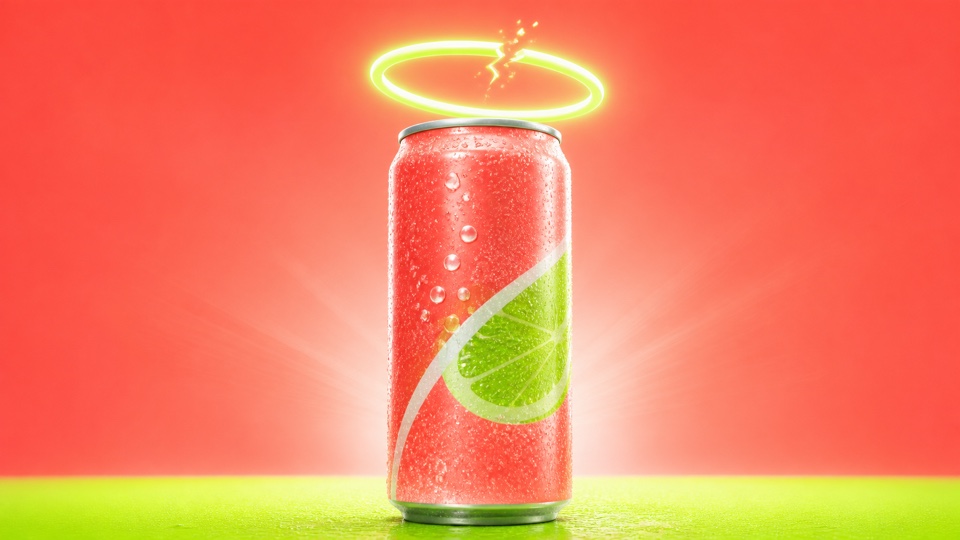
But next to them, there may be slim cans with softer colors, fruit names, and words like prebiotic, gut health, fiber, and no added sugar.
The message is simple: this is still fizzy and fun, but maybe it is better for you.
That idea has become big enough that the old soda giants are paying attention.
Coca-Cola entered the prebiotic soda space with Simply Pop, a drink built around fruit juice, prebiotic fiber, vitamin C, zinc, and no added sugar.
PepsiCo went even further. It bought Poppi, one of the most visible prebiotic soda brands, and then launched Pepsi Prebiotic Cola.
That is a striking move because Pepsi is not just selling a new flavor.
It is trying to bring the language of functional beverages into the traditional cola aisle.
So the real question is not only, "Does this taste good?"
The better question is, "Why does soda suddenly want to sound healthy?"
Part of the answer is that regular soda has an image problem.
For years, consumers have heard that sugary drinks can contribute to weight gain, diabetes risk, and dental problems when people drink them too often.
Many younger consumers still enjoy sweet drinks, but they also want products that feel lighter, cleaner, or more intentional.
They may not want to give up soda completely.
They just want a version that feels less like a guilty habit.
That is where the phrase better-for-you becomes powerful.
It does not promise perfect health.
It promises a better compromise.
A regular Pepsi has much more sugar than a prebiotic cola.
Pepsi Prebiotic Cola, for example, is marketed with 5 grams of sugar, 30 calories, and 3 grams of prebiotic fiber in a 12-ounce can.
Simply Pop says it has 6 grams of prebiotic fiber, no added sugar, and real fruit juice from concentrate.
Compared with traditional soda, those numbers can look attractive.
If someone normally drinks a full-sugar cola every day, switching to a lower-sugar option may reduce added sugar.
That part is not just marketing. Less added sugar can be a meaningful improvement.
But that does not automatically make the drink a health product.
The word prebiotic refers to certain fibers that feed helpful bacteria in the gut.
In general, prebiotics can be part of a healthy diet.
The tricky part is whether a can of soda gives enough of the right kind of fiber to create a real gut-health benefit.
Nutrition experts have been cautious about that.
Some say these drinks can be a reasonable occasional choice, especially when compared with high-sugar soda.
But they also say the best sources of fiber are still foods like beans, vegetables, fruit, oats, and whole grains.
That matters because a label can make a small benefit feel bigger than it really is.
Poppi has already faced legal pressure over gut-health claims.
A class-action lawsuit argued that its drinks did not contain enough prebiotic fiber to support the kind of benefits suggested by the marketing.
Poppi denied the allegations, but the case showed how sensitive this category can be.
When a drink sells health, people start asking for evidence.
There is another issue that often gets missed: your teeth.
Many people think sugar is the only dental problem in soda.
Sugar matters, of course, because bacteria in the mouth can use sugar to produce acids that damage teeth.
But acidity itself is also important.
Carbonated drinks, citrus flavors, vinegar, citric acid, and other acidic ingredients can lower the pH in your mouth.
Over time, frequent exposure to acidic drinks can weaken tooth enamel.
That means a low-sugar or no-added-sugar soda may still not be tooth-friendly.
It may be less damaging than a traditional full-sugar soda, but it is not the same as water.
Dentists usually suggest drinking acidic beverages in moderation, having them with meals, using a straw if helpful, and rinsing with water afterward.
They also warn people not to brush immediately after an acidic drink, because enamel may be temporarily softened.
This is where the story becomes more interesting than a simple yes or no.
Prebiotic soda is not fake just because it is trendy.
Some products really do have less sugar, fewer calories, and added fiber.
For many people, that is a better choice than drinking several cans of regular soda.
But it is also not magic.
It does not turn soda into a salad.
It does not replace a high-fiber diet.
And it does not erase the dental risks that come with acidic, fizzy drinks.
For Coca-Cola and Pepsi, this is a business move as much as a health move.
They see a fast-growing category, strong social media energy, and younger consumers who want familiar drinks with a wellness twist.
Buying or launching a prebiotic soda lets them protect their place in the beverage aisle.
It also lets them say, "We can evolve with the consumer."
That is why this trend is so useful for everyday English.
It shows how words like healthy, functional, natural, and better-for-you can shape the way we feel about a product.
These words are not always wrong.
But they need context.
A better-for-you soda may be better than the old version and still not be something your body needs.
A functional beverage may contain a useful ingredient and still be mostly a branded drink built for pleasure, convenience, and habit.
So the next time you see a can promising gut health, the smartest reaction may be balanced.
You can enjoy it if you like the taste.
You can appreciate that it may have less sugar than regular soda.
But you do not have to treat it like medicine.
In the end, the healthiest thing about healthy soda may be the conversation it forces us to have.
What are we really buying: nutrition, marketing, or a more comfortable version of an old habit?
For more daily English practice with real-world topics, visit Atoz Podcast.