FIFA has built the World Cup into one of the most valuable events on the planet.
Sports · EP09
Sports: Why FIFA Said the World Cup Is Not for Sale
A news-style sports monologue on FIFA, private money, and public trust
Ready. Select a line to jump into the conversation.
But this week, the story around football's biggest tournament was not about a final, a famous goal, or a new star.
It was about ownership, money, and a question that cuts straight to the heart of modern sport.
Can the World Cup be treated like a business asset, or is it something that has to remain above the market?
According to recent reporting, FIFA President Gianni Infantino had been exploring a plan to create a new commercial company around FIFA competitions.
The idea was reportedly called FIFA Forward Enterprise, and it would have handled valuable commercial assets connected to tournaments such as the men's and women's World Cups.
Private investors would have been allowed to buy a minority stake in that company.
The reported number was striking: a possible valuation of about twenty billion dollars, with outside investors taking roughly twenty percent.
Supporters of the idea could point to one obvious benefit.
If the plan raised billions of dollars, FIFA could send more money to national associations, especially smaller ones that depend on development funding.
That matters, because football is not only played in the richest countries, the biggest leagues, or the most famous stadiums.
FIFA's own argument has always been that commercial revenue helps grow the game in places that do not have huge television deals or global sponsors.
But the reaction from the football world was fast and severe.
UEFA, the body that represents European football, strongly opposed the proposal.
Reports said European members even discussed boycotting FIFA competitions if the plan moved forward.
Concacaf and the Asian Football Confederation also raised concerns, and the pressure did not stay outside FIFA.
Carlos Cordeiro, a senior adviser to Infantino and a former U.S. Soccer president, resigned and criticized the plan.
Other officials questioned the lack of transparency and the speed of the process.
In the end, Infantino backed away from the proposal.
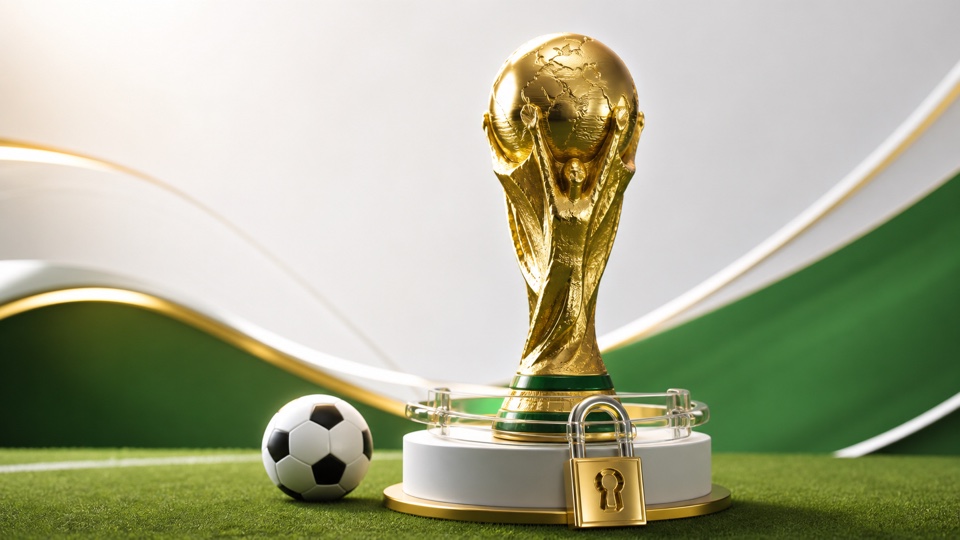
The phrase that captured the backlash was simple: the World Cup is not for sale.
That phrase works because it is bigger than a financial deal.
Nobody was saying that FIFA literally planned to sell the trophy, the pitch, or the ninety minutes of football.
The concern was about control.
If private investors own part of the commercial machine around the World Cup, they do not just bring money.
They also bring expectations: returns, growth targets, stronger monetization, and pressure to make the asset more profitable.
That is normal in business.
But in football, it changes the emotional temperature of the room.
Fans already worry about expensive tickets, endless advertising, crowded calendars, and tournaments that keep getting bigger.
So when they hear private equity and World Cup in the same sentence, many do not hear innovation.
They hear distance.
They hear a game moving further away from supporters and closer to boardrooms.
This is why governance became a central issue.
For an organization like FIFA, a major commercial change cannot simply look clever on paper.
It has to feel legitimate to confederations, national associations, players, sponsors, host countries, and fans.
If those groups believe a decision was shaped behind closed doors, even a profitable idea can become politically impossible.
The World Cup is valuable because people believe in it.
They believe that it belongs, in some emotional sense, to everyone who has ever watched a match with family, worn a national shirt, or remembered a goal years later.
That belief is not listed on a balance sheet.
But without it, the commercial value is weaker too.
This is the tension at the center of the story.
Modern football needs money, and no serious person can pretend otherwise.
Stadiums, security, broadcasting, travel, prize money, youth programs, and global development all require serious funding.
At the same time, some parts of sport lose power when they are described only in financial terms.
A World Cup is a business event, a media event, a tourism event, and a political event.
But first, it has to remain a football event.
That is why this failed proposal may matter long after the headlines fade.
It exposed a deeper fight over who gets to shape the future of the global game.
It also showed that even the most powerful leaders in sport can run into a wall when fans and football institutions feel that trust is being tested.
FIFA may still look for new ways to raise money.
Investors will still look at global sport and see enormous opportunity.
But after this week, one lesson is hard to miss.
The World Cup can generate revenue because people care about it.
If the people stop believing that the tournament is protected, the money story starts to fall apart.
For the full transcript, key terms, and more news-based listening practice, visit Atoz Podcast and follow the episode line by line.