Zoe, have you ever wanted to visit a place because you saw it in an anime?
Travel · EP14
Travel Trend: Why Anime Fans Visit Real Places
When a Story Becomes a Destination
Ready. Select a line to jump into the conversation.
Yes. A street, a train station, or a small town can look special after it appears in a story. I want to see whether the real place feels the same.
Many fans feel that way. It has become a travel trend called anime tourism. Some people also call the trip an anime pilgrimage.
The word pilgrimage sounds serious. Are fans really traveling that far?
Many are. Trip.com says searches for anime and comic travel experiences in Asia rose 195 percent from a year earlier.
That is a big jump. So this is not only a small hobby anymore.
Right. AnimeJapan 2026 also showed the change. International ticket sales through Trip.com rose 697 percent, with buyers from 82 countries and regions.
Streaming probably helps. People can watch the same shows almost anywhere now.
Exactly. A story may begin in Japan, but its fans can live in Seoul, Manila, London, or Los Angeles. Then social media shows them the real-world locations.
What do fans do when they arrive?
They often compare the real view with a scene they remember. They take photos, visit a cafe, buy local goods, or walk the same route as a character.
I understand the feeling. It is like watching a fictional world come to life.
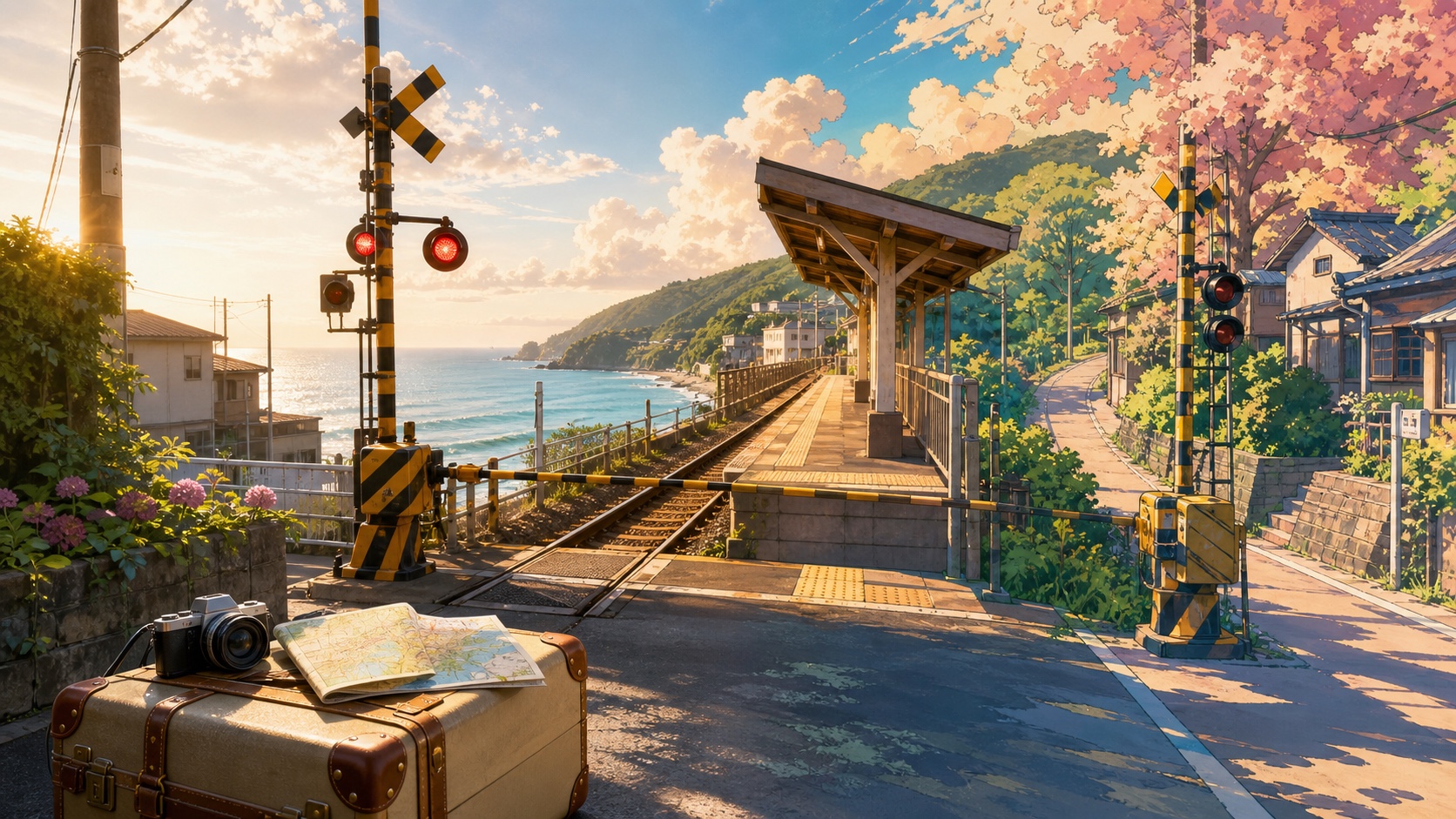
That is the main attraction. An ordinary staircase or railway crossing can suddenly carry a strong memory.
Does this trend only help famous places like Tokyo?
No. That is one reason tourism groups like it. Fans may leave the usual route and visit smaller cities or quiet neighborhoods.
So a place that was once a hidden gem can welcome visitors from around the world.
Yes. Those visitors may stay in local hotels, eat at family restaurants, use trains, and buy souvenirs. That can support local businesses.
It sounds positive, but I can imagine some problems too.
There are. Some locations are normal homes, schools, or small streets. They were not designed for large crowds.
Fans may be excited and forget that local people live there every day.
Exactly. Visitors should keep their voices down, avoid private property, and ask before photographing people.
In other words, enjoy the story but respect local life.
That is a good rule. A fan trip should create a good memory, not a problem for the neighborhood.
I also wonder whether anime tourism can spread visitors out. Japan's famous cities already receive huge crowds.
It can. If fans visit less famous regions, tourism money does not stay only in Tokyo, Kyoto, and Osaka.
But a small place could become crowded very quickly if one video goes viral.
True. Local governments and businesses need a plan. Clear signs, walking routes, and visitor information can protect the area.
So the best result is a partnership. Fans get a special experience, and the community receives real benefits.
Yes. The story brings people there, but the real place must remain comfortable for the people who call it home.
Is taking the same photo as an anime scene the whole point of the trip?
It can be fun, but it should not be the only point. The trip becomes richer when visitors also notice the food, history, landscape, and daily life around that scene.
A person may arrive because of one show and then discover a local festival or a small museum.
Exactly. That is when anime tourism works best. The story opens the door, but the real community gives people a reason to stay longer.
Fan events can also bring people together. Visitors from different countries already share one interest.
Yes. They may not speak the same first language, but they can still talk about a favorite scene, compare photos, and explore the town together.
How should someone plan this kind of trip responsibly?
Start with official tourism information. Check whether photography is allowed, use public routes, and never enter private land just to copy a picture.
Planning one or two stops carefully sounds better than rushing through a long list.
I agree. Slower travel gives you time to eat locally, visit another attraction, and understand why the place matters beyond the screen.
That also makes the trip feel less like a checklist.
Right. The anime may guide your first step, but curiosity should guide the rest of the day.
Would you take an anime trip yourself?
I would. I like the idea of seeing how an artist changed an everyday place into part of a story.
I would go too. But I would also explore beyond the famous photo spot and learn something about the town.
That may be the best kind of fan travel. Follow the story, stay curious, and leave a good impression.
That's all for today's episode. Anime tourism shows that a story can change how we see a real place. Thanks for listening, and we'll see you next time.
Speaking practice
Speak It Out
Click a question to practice speaking after the episode. Turn on recording if you want to review your answer.
Recording is off. Click a question to play it.
Anime tourism can help smaller towns, but it can also create problems for local residents. What is one benefit and one risk of this travel trend?
Click to play
Imagine you are planning an anime pilgrimage. How would you enjoy the story location while still respecting the people who live there?
Click to play